Fundraising isn’t a personality type.
It’s a skill.
You need practical fundraising strategy, leadership support, and accountability
that helps you move from ideas to action.
Fundraising gets harder when too much depends on one person.
Grants, donor relationships, board engagement, staff leadership, and day-to-day demands all compete for attention. Heart Strategy Impact helps nonprofit leaders build stronger fundraising systems, grow individual giving, engage their boards, and lead the work with more confidence.
Deepening relationships with your current donors and finding new donors doesn't have to feel like the thing you're always behind on.
It can be the thing you're
actually good at.
When you have the right strategy and someone who actually knows this work in your corner - the second-guessing stops. The fog lifts. You stop spinning and start moving. And the donor relationships you've been meaning to build? They start to feel less like a personality test and more like something you can actually do.
You get to raise more, and stress less.
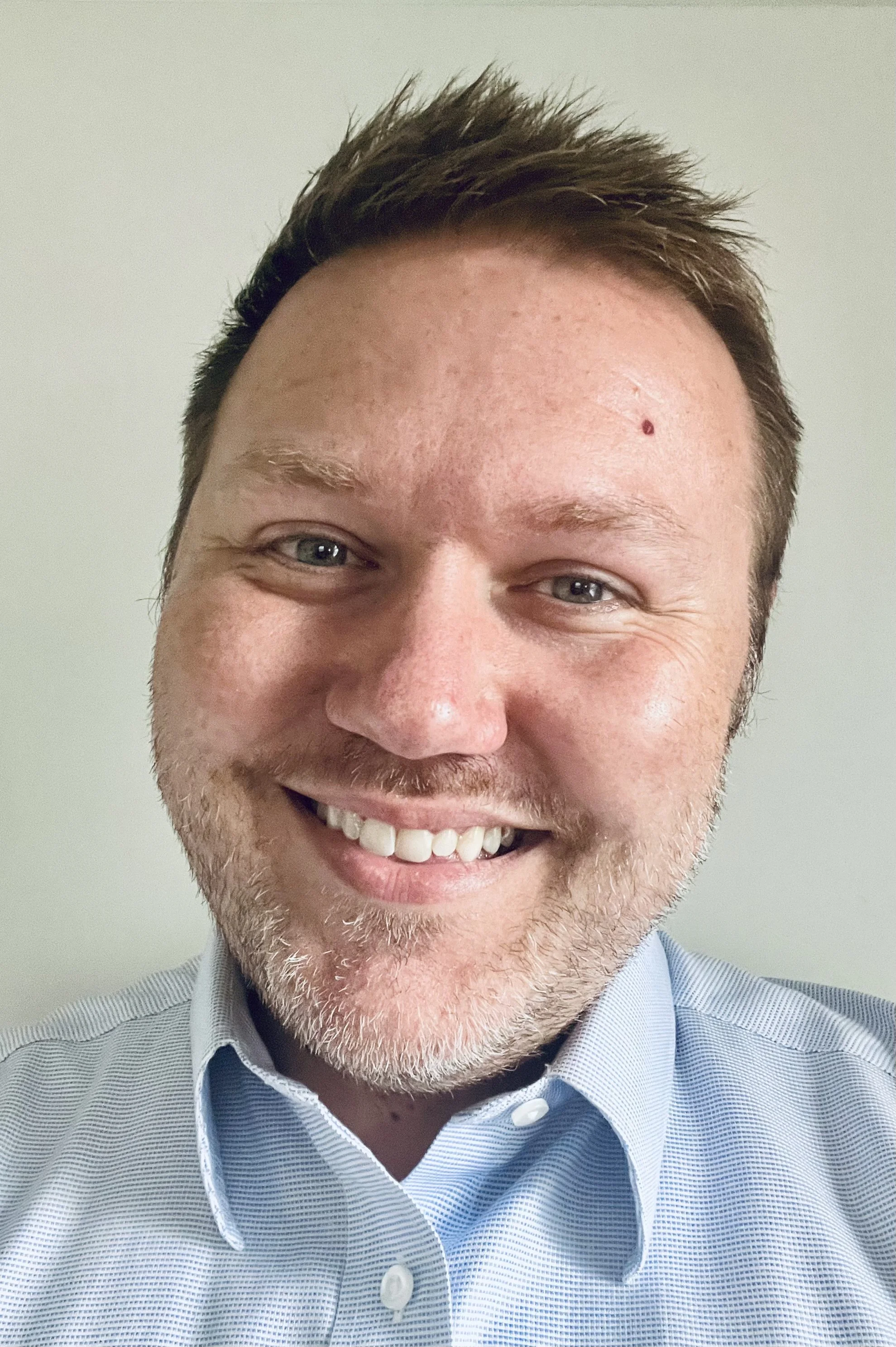
Meet CF
CF Callihan has spent over 20 years inside the nonprofit sector - watching organizations with the right mission keep recreating the same funding problem in a different form.
He's seen what happens when an ED gets handed a beautiful plan and then left alone to implement it. He's also seen what happens when they don't.
CF has raised over $25M across annual funds, major gifts, and capital campaigns. He's built individual giving programs from scratch. He's coached first-time EDs who didn't know how to have a donor conversation into leaders who close five-figure gifts with confidence.
He speaks at AFP chapters across the country because the problems he names are the ones people recognize.
He works with a small number of clients at a time - because this only works when he's actually in your corner.
How it works
Heart: Understand the relationships behind the revenue.
We start by looking at your donors, leadership, board, and fundraising culture so we understand what is already working and where opportunity exists.Strategy: Focus on what matters most.
We identify the fundraising priorities, relationships, and systems that can create the greatest growth without overwhelming your team.Impact: Put the plan into action.
Through practical support, accountability, and leadership engagement, we help turn strategy into consistent fundraising action.
Ways We Work Together
Fundraising challenges look different at every organization. Whether you need clarity, ongoing strategy, or a more confident board, Heart Strategy Impact offers practical support designed to meet you where you are.
Fundraising Compass
A six-week audit, assessment, and roadmap to help you understand what is working, what is not, and where to focus next.
Fundraising Forward
A 12-month strategic partnership focused on growing individual giving and strengthening the systems, relationships, and leadership behind sustainable fundraising.
Better Board Fundraising Bootcamp
A six-month process that helps board members become more comfortable, confident, and active in fundraising.
Looking for peer learning and leadership development?
Explore Fundraising Leadership Lab and Fundraising Launchpad, our six-month peer advisory cohorts for Executive Directors and newer fundraisers.
The cost of waiting is higher than you think.
Every quarter fundraising stays on the list is another quarter your organization depends on funding you don't control.
Grants get cut. Federal funding dries up. And when that happens, the organizations that weather it are the ones who spent the years before building real relationships with real donors.
The ones who didn't are the ones making cuts they can't afford, having conversations with their board they didn't see coming, and wishing they'd started sooner.